

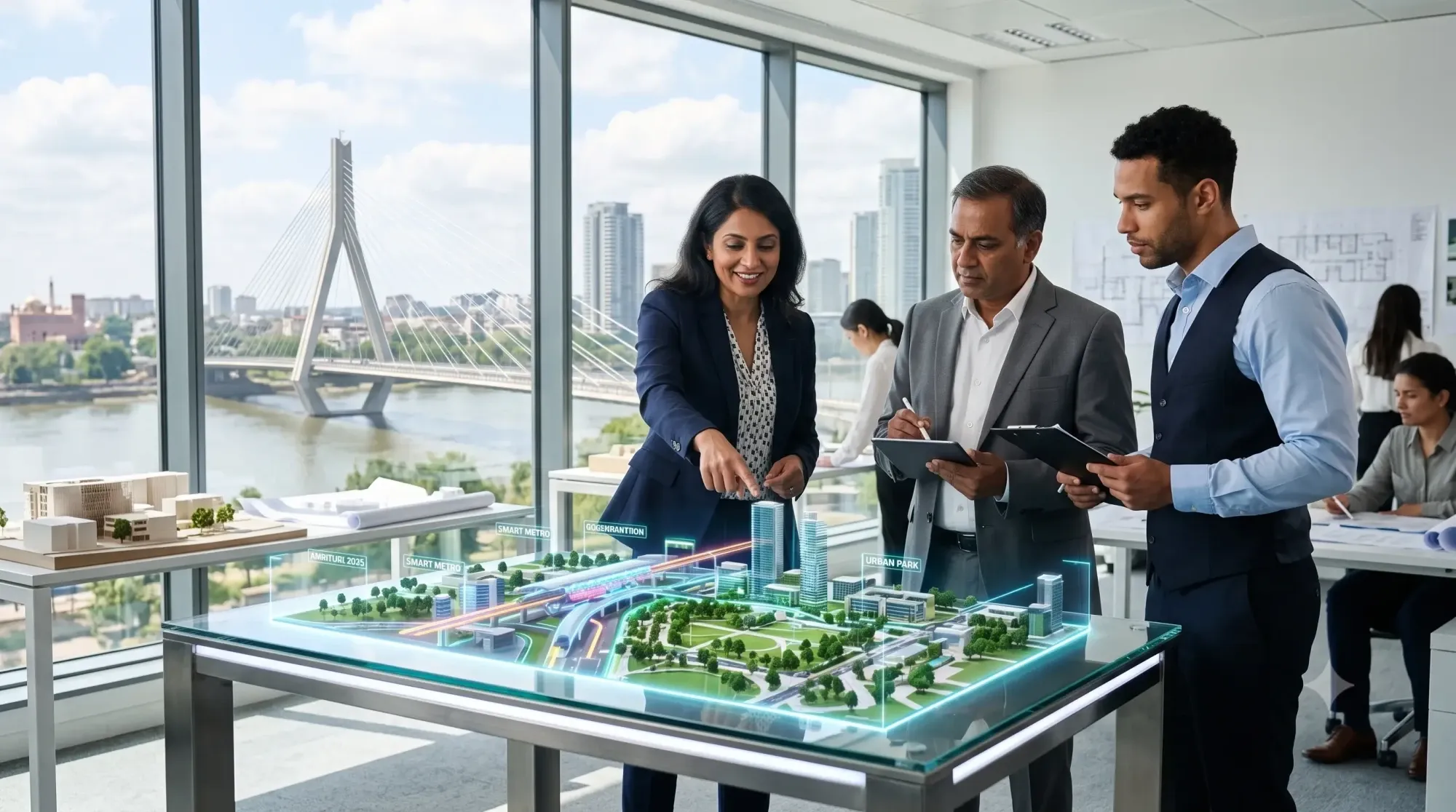
The Ring Road and Regional Connectivity: Reshaping Amritsar’s Logistics and Residential Corridors
New road stretches make previously less accessible land, particularly along the Grand Trunk Road (NH3) and the Amritsar-Bathinda Highway (NH54), viable for large-scale development. This includes logistics parks, warehousing hubs, and integrated townships previously unfeasible. Developers must see beyond immediate construction to the growth lines these routes delineate; this is where the next wave of industrial and residential expansion will occur.
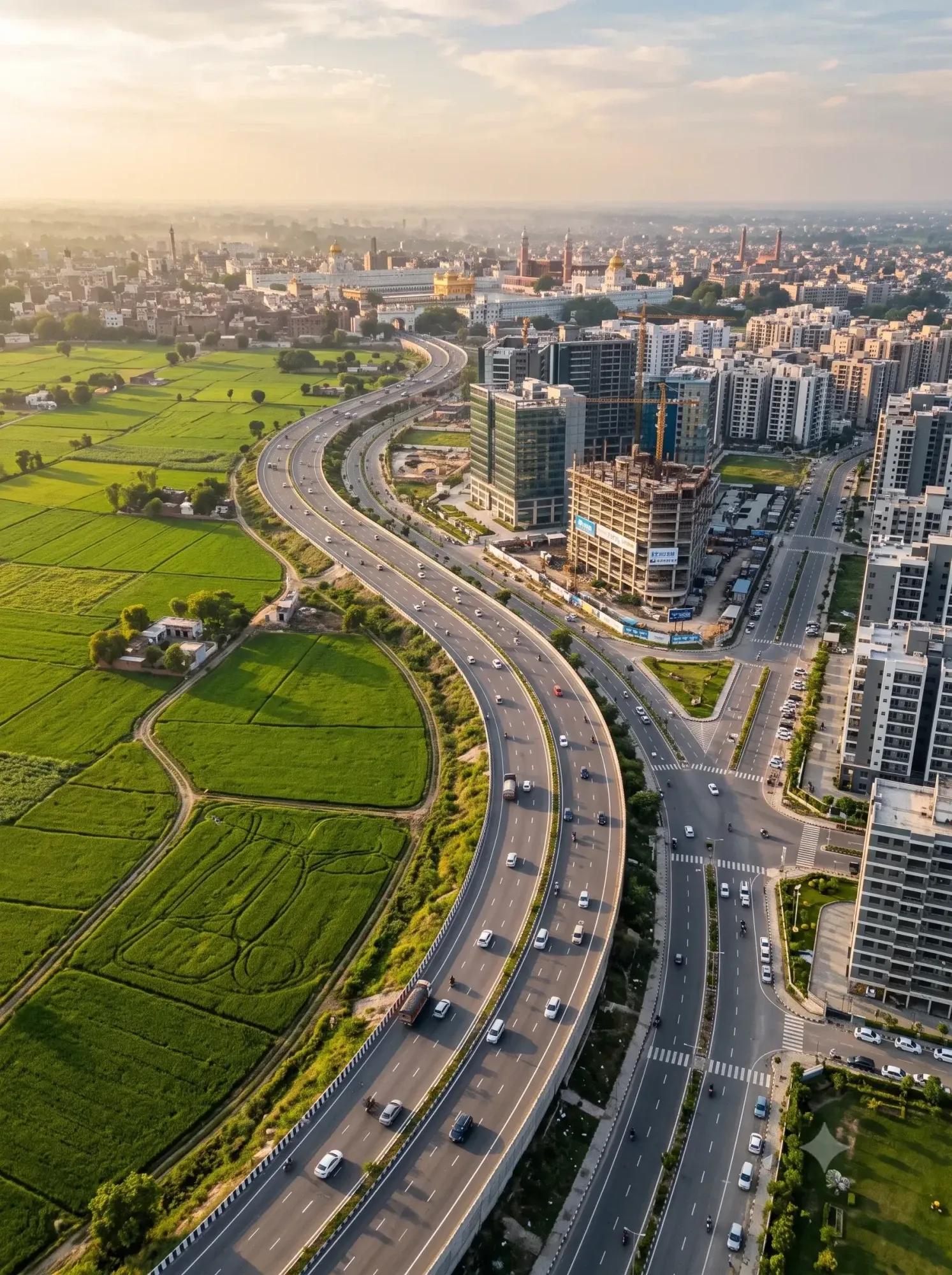
Does the Ring Road actually unlock new investment zones?
Land values along the existing bypass have seen consistent appreciation over the last decade, as businesses leveraged easier logistics, reducing transit times and costs. New segments extend this. Areas like Verka or south towards Tarn Taran Road, once too remote for major projects, are now being re-evaluated. These corridors offer larger land parcels, lower acquisition costs, and efficient highway access. This is a compelling proposition for bulk buyers and developers planning commercial property or industrial projects. Infrastructure dictates development trajectory. Honestly, if you’re not looking at these peripheral zones, you’re missing the boat.
Airport Expansion and Cargo Hub: Elevating Amritsar’s Global Trade Footprint
How does air cargo capacity affect local businesses and property?
Increased air cargo capacity allows local businesses (agriculture, food processing, handicrafts) to bypass slower surface routes, cutting lead times, reducing spoilage, and improving competitiveness. Property-wise, this means a demand surge for land near the airport for processing units, quality control labs, and packaging facilities. It’s a complex ecosystem of industrial units supporting an efficient export-import chain, with demand for Build-to-Suit (BTS) facilities reflecting specific operational needs. For investment, track cargo manifests, not just passenger numbers.
Smart City Initiatives and Urban Upgrades: A Foundation for Modern Living and Property Appreciation
The Integrated Command and Control Centre (ICCC) improves emergency response, optimizes traffic, and enhances public safety. Better public lighting, integrated waste management, and green corridors foster a healthier urban environment. Though less dramatic than a new highway, their cumulative effect on urban life quality is profound. This quality drives long-term property appreciation, making localities more desirable, attracting better demographics, and sustaining higher rental yields.
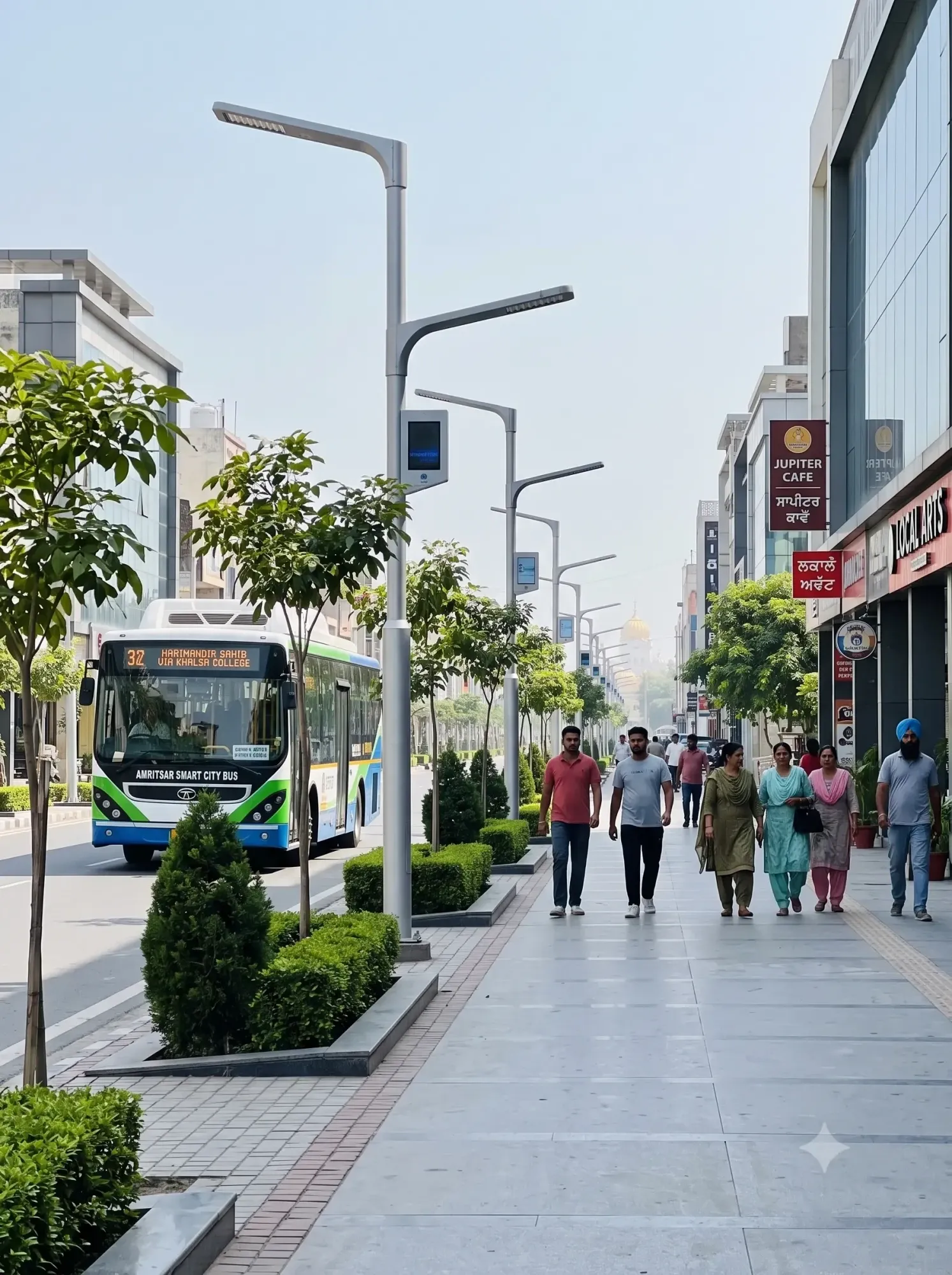
Are Smart City projects truly impacting property values long-term?
Impact isn’t overnight or uniform; it’s strongest in directly upgraded areas. Residential zones with improved water supply, waste collection, or public parks become more attractive. Sustained maintenance and expansion drive real value. Localities with reliable services and well-maintained infrastructure command a premium. Investors should seek neighborhoods where Smart City interventions are demonstrably implemented and sustained. It’s not about the glossy brochures, it’s about whether the drains actually work. These are fundamental civic infrastructure improvements residents value daily. For more, see our `urban planning strategies`.
Strategic Infrastructure Development Projects: Fueling Amritsar’s Economic Diversification
Beyond traditional infrastructure, Amritsar targets strategic investments to diversify its economic base. Tourism and agriculture remain pillars, but there’s a push for light manufacturing, agro-processing, and IT-enabled services. This involves developing industrial corridors and potential SEZs with incentives and purpose-built infrastructure. These are integrated ecosystems for industrial growth, not just land.
Dedicated freight corridors and improved railway connectivity are a key focus. Though slower than air freight, rail is vital for bulk cargo. Enhancements mean efficient goods movement, reducing industrial bottlenecks. Real estate sees heightened demand for industrial land with good rail access, distinct from airport hubs. Skill development centers and vocational training institutes, while not physical infrastructure, are critical human infrastructure. They support industrial growth, attract businesses, and contribute to a skilled workforce, a key factor for investors.
What’s the biggest hurdle for new industrial zone development?
Land acquisition and clear titles are the biggest hurdles. Aggregating large contiguous parcels for industrial zones is often a protracted, complex process, despite government efforts. Even post-acquisition, ensuring adequate power, water, and robust internal road networks within the zone remains challenging. Developers and investors need thorough due diligence on land and promised infrastructure. Government intent is clear, but ground execution varies. This is where local knowledge isn’t just helpful, it’s non-negotiable. Partnering with experienced local developers, understanding land aggregation and regulatory frameworks (as discussed on our `partnering with local experts` page), is often the most pragmatic risk mitigation.
The Long-Term Play: Why These Projects Matter to Your Investment
Amritsar’s evolving landscape and infrastructure shifts present compelling opportunities for property buyers, investors, and businesses. To align these developments with your investment goals or discuss collaborations, reach out. We provide insights and local expertise to navigate Amritsar’s dynamic real estate investment environment.
Connect on our Contact Us page.
Frequently asked questions
Which major infrastructure projects are currently underway in Amritsar?
Key projects include the ongoing phases of the Amritsar Ring Road, modernization and cargo capacity expansion at Sri Guru Ram Dass Jee International Airport, and various urban upgrade initiatives under the Smart City Mission focused on water, sanitation, and public transport.
How do infrastructure developments impact property values in Amritsar?
Infrastructure developments directly enhance property values by improving connectivity, reducing commute times, creating new commercial hubs, and upgrading urban amenities. Areas benefiting from these projects typically see increased demand and appreciation.
Are there specific areas in Amritsar seeing significant real estate growth due to new infrastructure?
Yes, peripheral areas along the Ring Road expansion, particularly those connecting to national highways, are emerging as hotspots for industrial and large-scale residential projects. The vicinity of the airport is also critical for logistics and warehousing.
What opportunities do these projects offer for real estate investors?
Investors can capitalize on opportunities in land banking in newly accessible corridors, developing logistics parks near the airport, building residential townships on the city’s outskirts, or investing in modern commercial spaces within improved urban areas.
What are the challenges in developing real estate around these new infrastructure projects?
Challenges often include complex land acquisition processes, ensuring consistent utility provisions (power, water), navigating local regulations, and accurately forecasting the pace of development. Local expertise is crucial for mitigating these risks.